
Orthodontic treatment is no longer just about straightening crooked teeth for cosmetic reasons. It plays a vital role in improving oral health, bite function, speech, and long-term dental stability. With advancements in dentistry, patients today have access to a wide range of orthodontic treatment options designed to suit different age groups, dental conditions, and lifestyle preferences.
Understanding the different types of orthodontic treatments available can help patients make informed decisions and approach treatment with confidence. This guide explains the most common orthodontic options, how they work, and who they are best suited for.
What Is Orthodontic Treatment?
Orthodontic treatment focuses on correcting misaligned teeth and jaws. Problems such as overcrowding, gaps, overbites, underbites, crossbites, and jaw discrepancies can affect chewing efficiency, oral hygiene, and even facial balance.
By applying controlled forces over time, orthodontic appliances gradually move teeth into healthier and more functional positions.
Why Orthodontic Treatment Is Important
Misaligned teeth are more difficult to clean, increasing the risk of cavities, gum disease, and uneven tooth wear. Bite problems can also place excessive stress on jaw joints and muscles, sometimes leading to discomfort or TMJ-related issues.
Orthodontic treatment helps:
Improve chewing and speech
Reduce the risk of dental decay and gum problems
Prevent abnormal tooth wear
Enhance facial aesthetics and smile confidence
Support long-term oral health
Traditional Metal Braces
How They Work
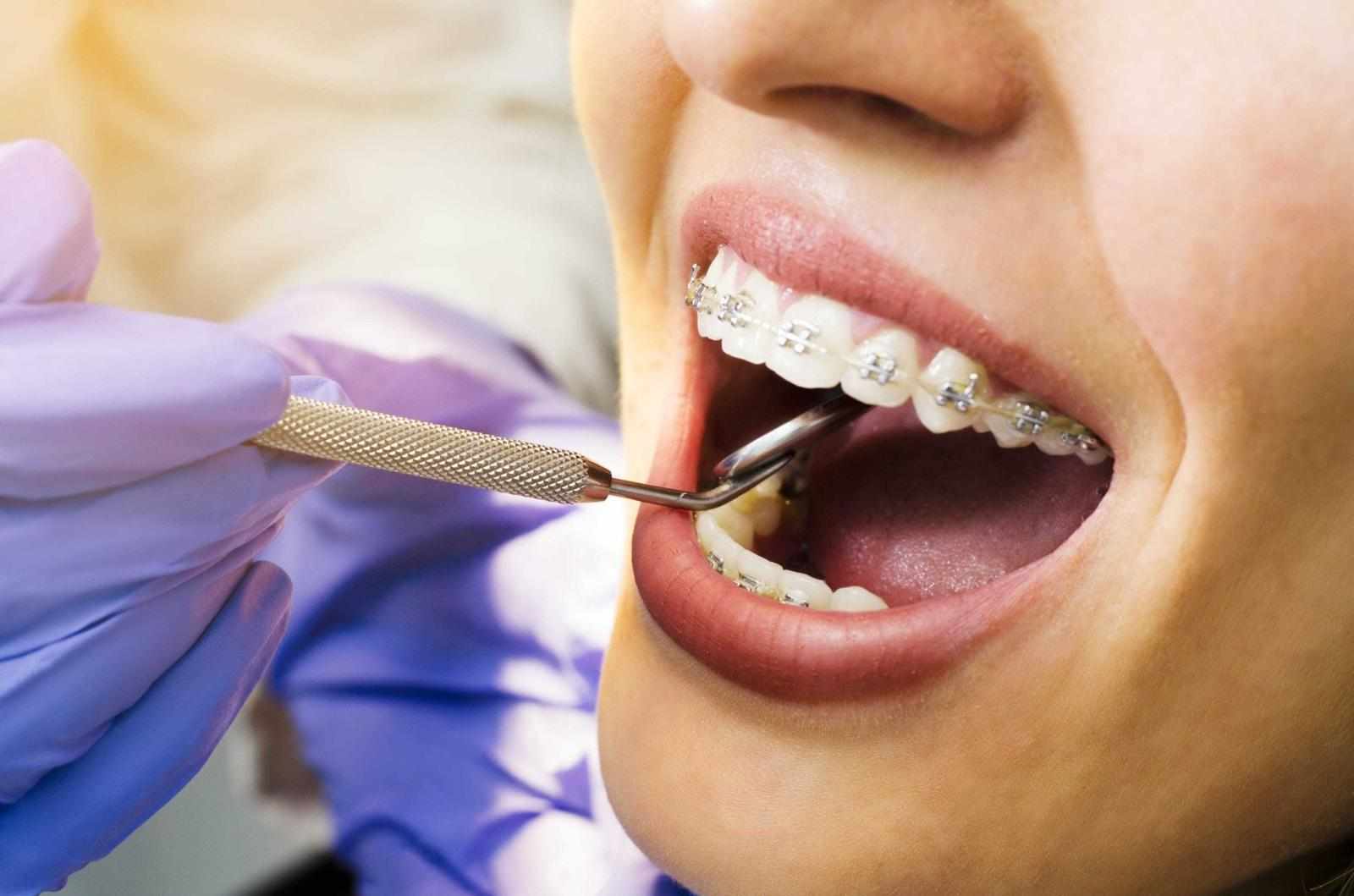
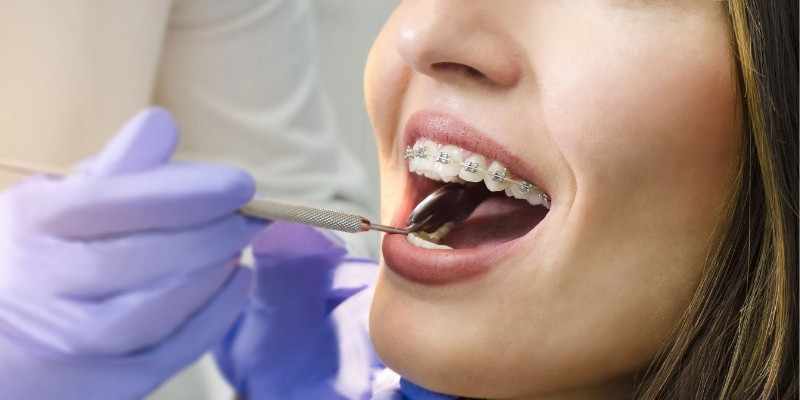
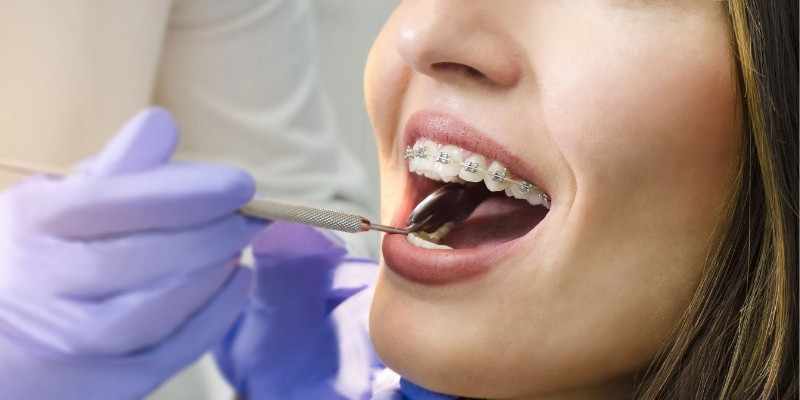
Metal braces are the most widely used and time-tested orthodontic solution. They consist of metal brackets bonded to the teeth and connected by an archwire. Gentle pressure from the wire gradually shifts teeth into alignment.
Who They’re Best For
Children and teenagers
Adults with complex alignment or bite issues
Patients needing precise tooth movement
Benefits
Highly effective for all types of orthodontic problems
Durable and reliable
Often the most cost-effective option
Modern metal braces are smaller, smoother, and more comfortable than earlier versions, making them easier to adapt to.
Ceramic Braces
How They Work
Ceramic braces function the same way as metal braces but use tooth-colored or clear brackets that blend more naturally with the teeth.
Who They’re Best For
Teenagers and adults concerned about appearance
Patients needing comprehensive orthodontic correction
Benefits
Less noticeable than metal braces
Effective for moderate to complex cases
Ceramic braces require careful oral hygiene, as the brackets can stain if not properly maintained.
Self-Ligating Braces
How They Work
Self-ligating braces use specialized brackets that hold the archwire in place without elastic ties. This reduces friction and allows teeth to move more freely.
Who They’re Best For
Patients seeking shorter appointment times
Those looking for potentially faster treatment progress
Benefits
Easier cleaning
Fewer adjustments required
Improved comfort for some patients
These braces are available in both metal and ceramic options.
Lingual Braces
How They Work
Lingual braces are attached to the inner (tongue-facing) surfaces of the teeth, making them virtually invisible from the outside.
Who They’re Best For
Adults who want discreet orthodontic treatment
Patients comfortable with customized appliances
Benefits
Completely hidden from view
Effective for a wide range of orthodontic issues
Lingual braces require specialized expertise and may take longer to adapt to initially.
Clear Aligners
How They Work
Clear aligners use a series of custom-made, removable trays that gradually shift teeth into position. Each set is worn for a specific period before moving to the next.
Who They’re Best For
Adults and responsible teenagers
Mild to moderate alignment issues
Patients seeking a removable option
Benefits
Nearly invisible
Removable for eating and cleaning
No food restrictions
Patient compliance is essential, as aligners must be worn for the recommended number of hours each day to be effective.
Orthodontic Treatment for Children vs. Adults
Children and Teenagers
Younger patients benefit from active jaw growth, which allows orthodontists to guide proper development and address bite issues early. Treatment is often faster and more predictable.
Adults
Orthodontic treatment is highly effective for adults as well, though treatment may take slightly longer due to fully developed bone structures. Modern options like ceramic braces and clear aligners make treatment more discreet than ever.
How Long Does Orthodontic Treatment Take?
Treatment duration depends on:
Severity of misalignment
Type of appliance used
Patient age
Compliance with instructions
On average, orthodontic treatment lasts 12 to 24 months, followed by a retention phase to maintain results.
The Importance of Retainers
Once active treatment is complete, retainers help prevent teeth from shifting back to their original positions. Retention is a crucial part of orthodontic success and often continues long-term.
Choosing the Right Orthodontist Matters
Orthodontic treatment requires precise diagnosis, treatment planning, and ongoing monitoring. Experience and attention to detail significantly influence outcomes.
Patients looking for the best orthodontist in Andheri often seek clinics that combine clinical expertise with patient-focused care and modern treatment options. Accurate assessment ensures that the chosen orthodontic method aligns with both functional needs and aesthetic goals.
Personalized Orthodontic Care at My Smile Dental Clinic
My Smile Dental Clinic focuses on providing individualized orthodontic solutions tailored to each patient’s dental structure, age, and lifestyle. Emphasis is placed on detailed evaluation, clear communication, and consistent follow-up to ensure predictable and long-lasting results.
By offering a range of orthodontic options—from traditional braces to modern aligner systems—the clinic supports patients at every stage of their orthodontic journey.
Common Myths About Orthodontic Treatment
“Braces are only for kids.”
Orthodontic treatment is effective at any age.“Treatment is always painful.”
Mild discomfort is normal initially, but modern techniques focus on comfort.“Clear aligners work for everyone.”
While effective for many, some cases require braces for optimal results.
Understanding facts helps patients approach treatment with realistic expectations.
Final Thoughts
Orthodontic treatment has evolved significantly, offering multiple solutions tailored to individual needs and preferences. From traditional metal braces to discreet aligner systems, each option serves a specific purpose in correcting alignment and bite issues.
Choosing the right treatment begins with understanding the available options and consulting a skilled orthodontic professional. With proper planning, consistent care, and the right guidance, orthodontic treatment can improve not only your smile but also your long-term oral health and confidence.





Write a comment ...